« GOD BLESS YU »
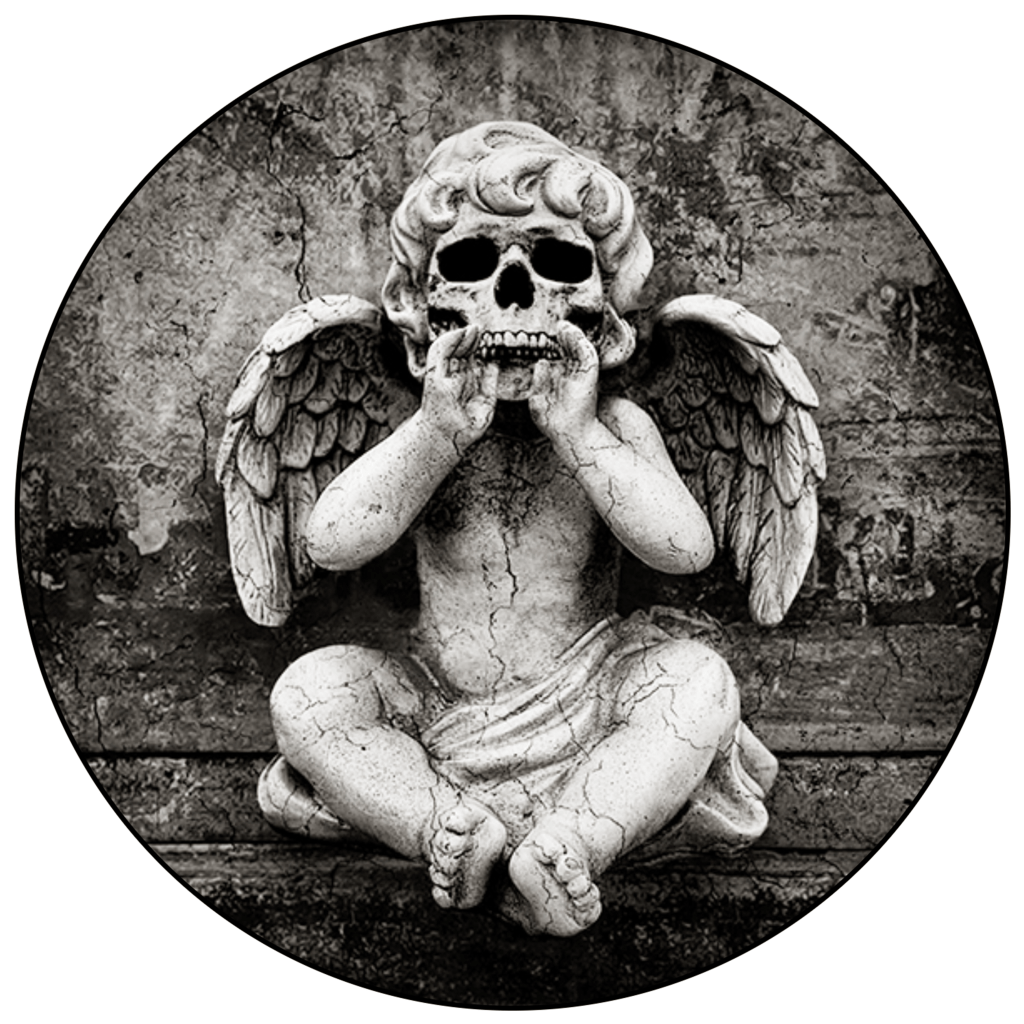
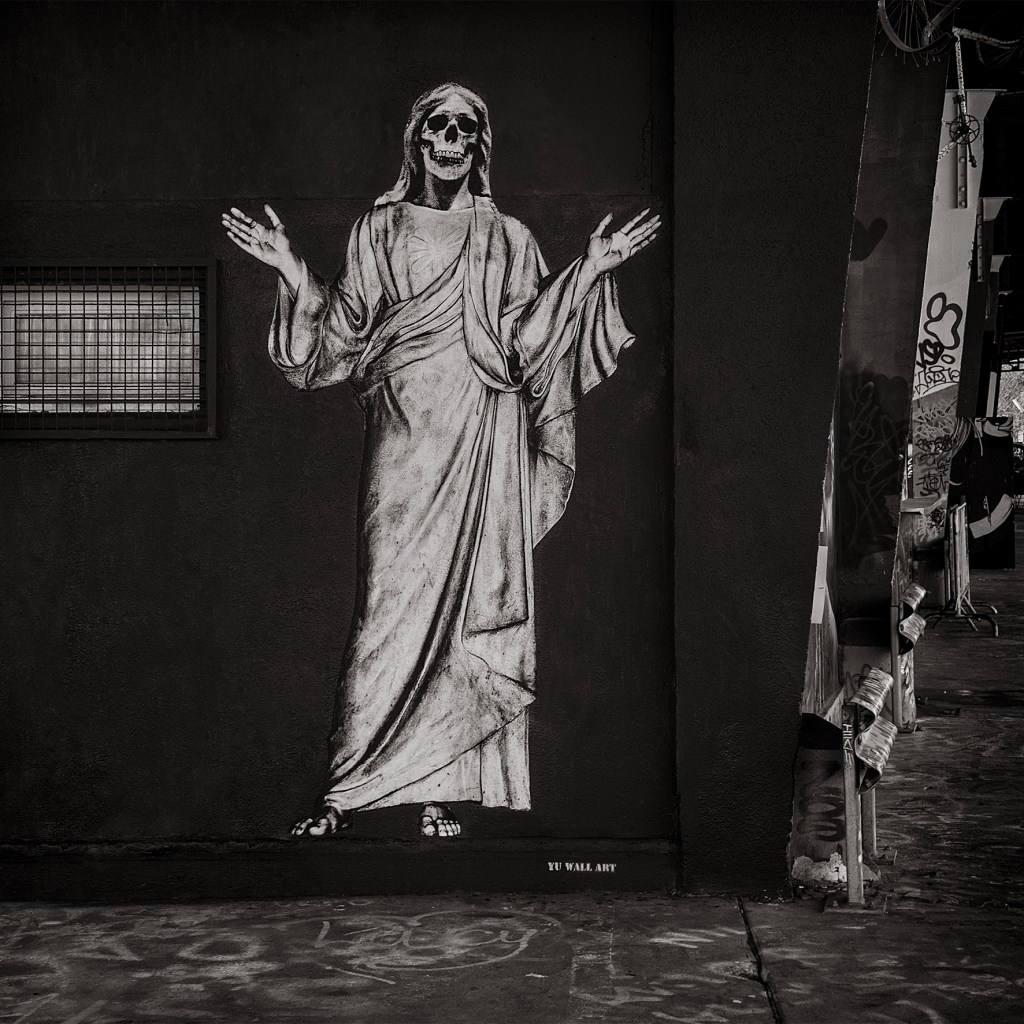
Yu’s work unfolds like a contemporary allegory, a poetic and unflinching meditation on the vanity of existence. Drawing inspiration from 17th-century vanitas, her practice belongs to an iconographic tradition where beauty, power, wealth, and social recognition are revealed for what they are: fleeting illusions, fragile and often futile in the face of inevitable death. Memento mori seems to whisper through each installation—not as a sentence, but as a call for lucidity. In counterpoint, a softer voice breathes Carpe diem. For Yu does not speak of death to render it taboo, but rather to better celebrate life in its most intense, most vulnerable, and most sacred essence.
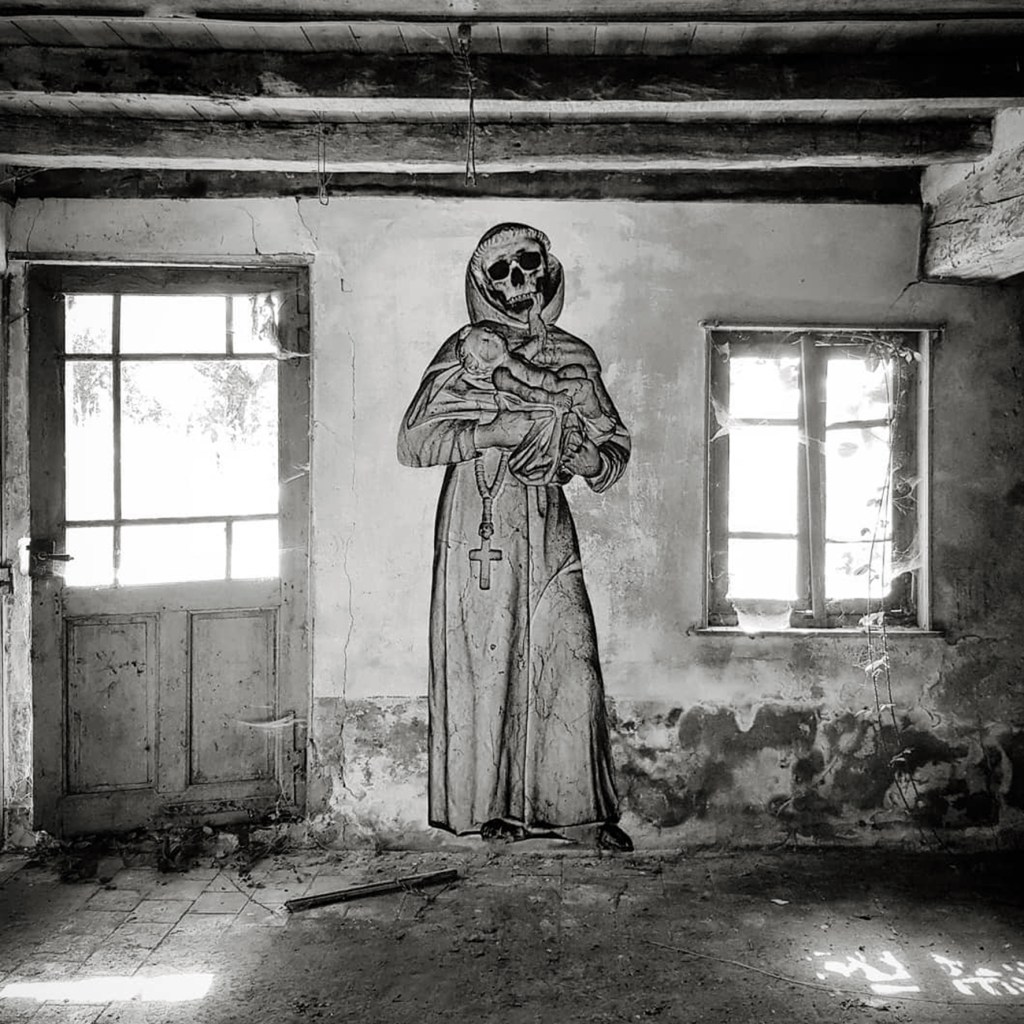
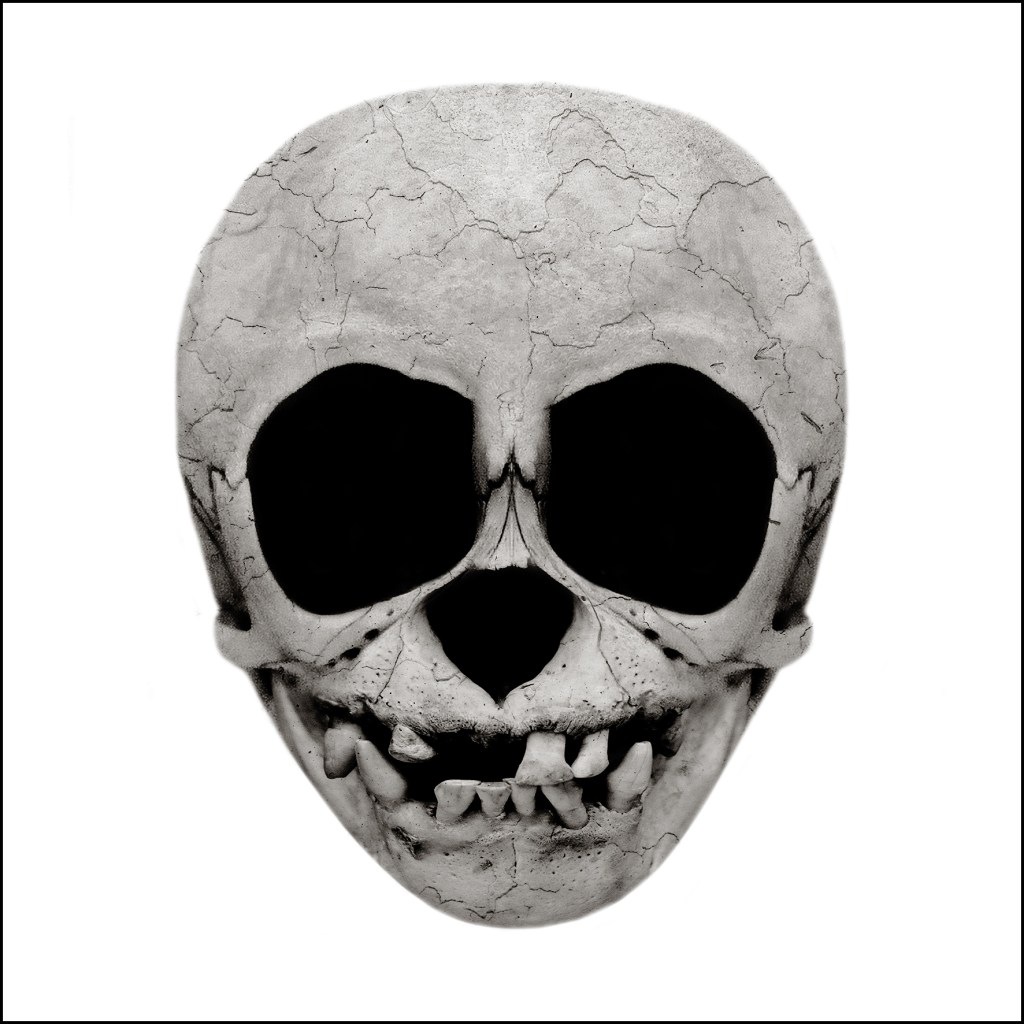
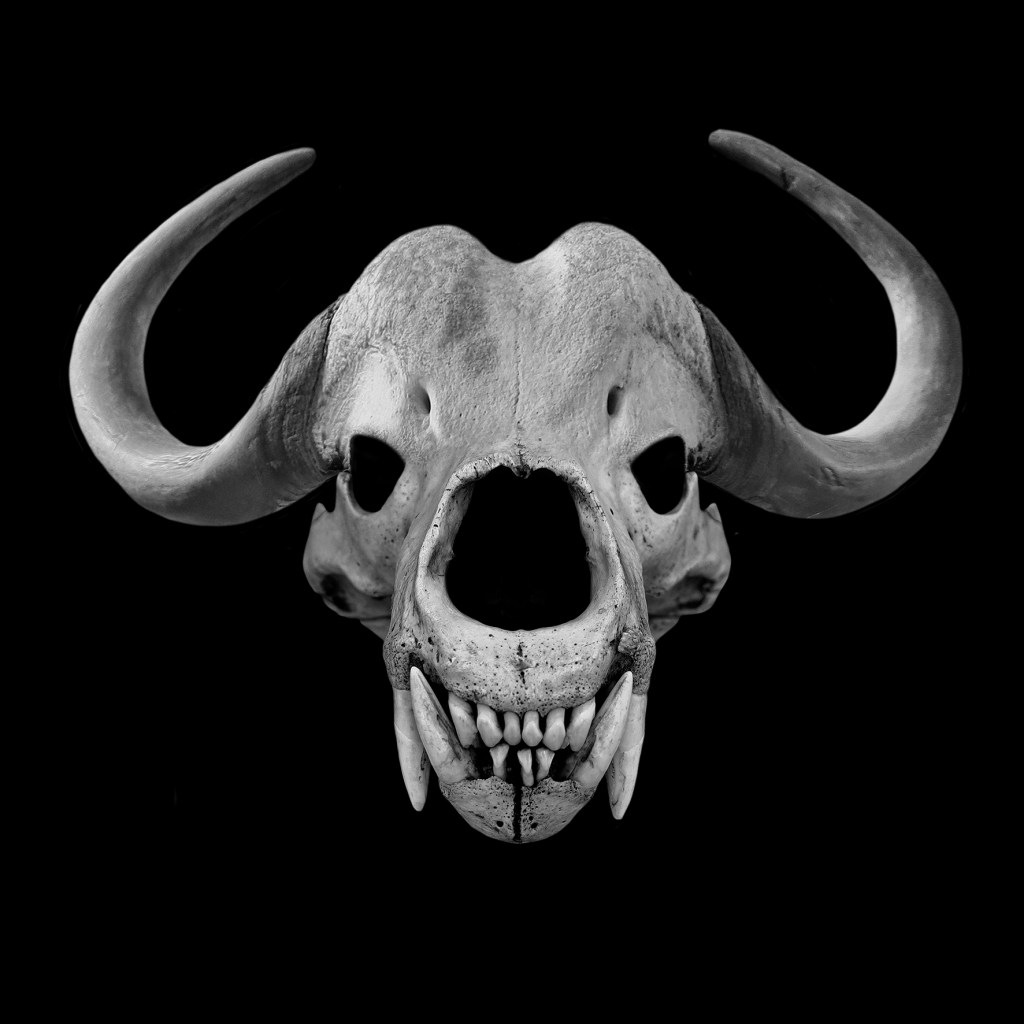
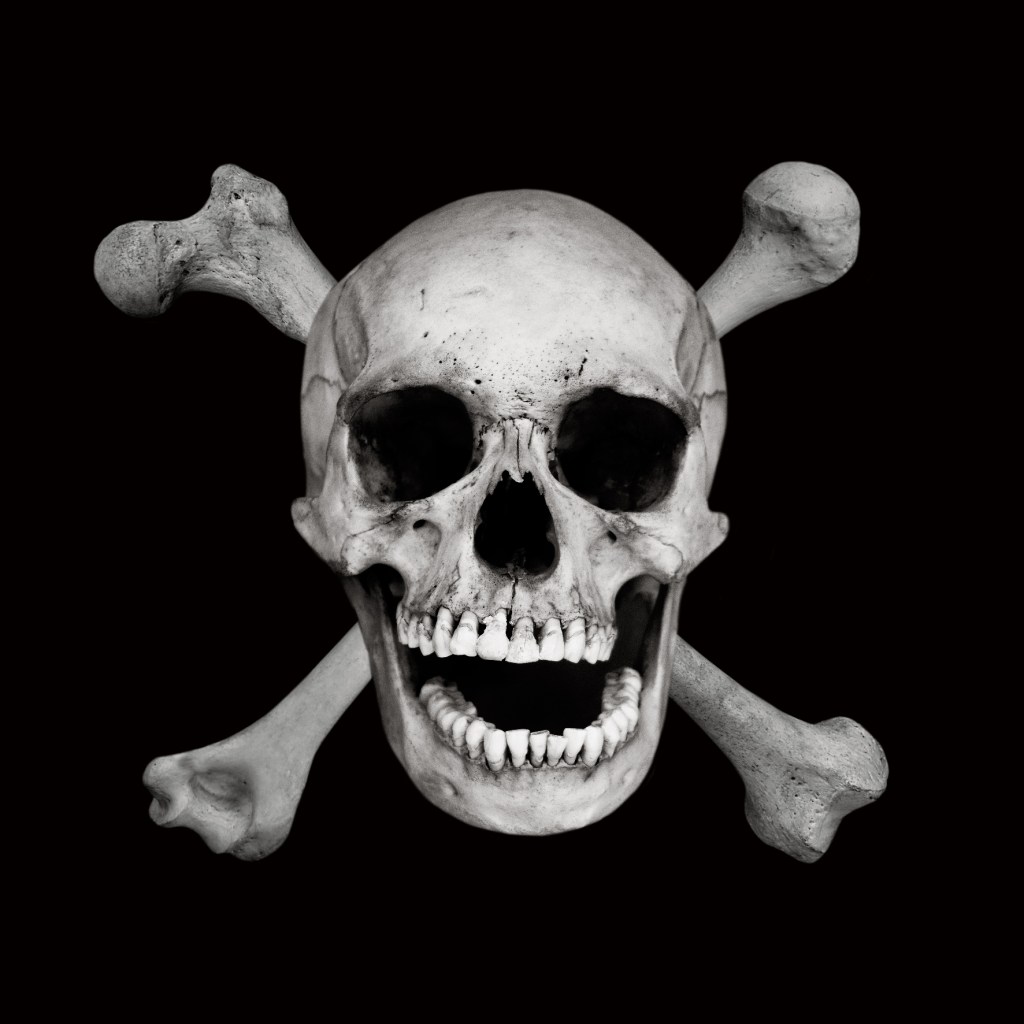
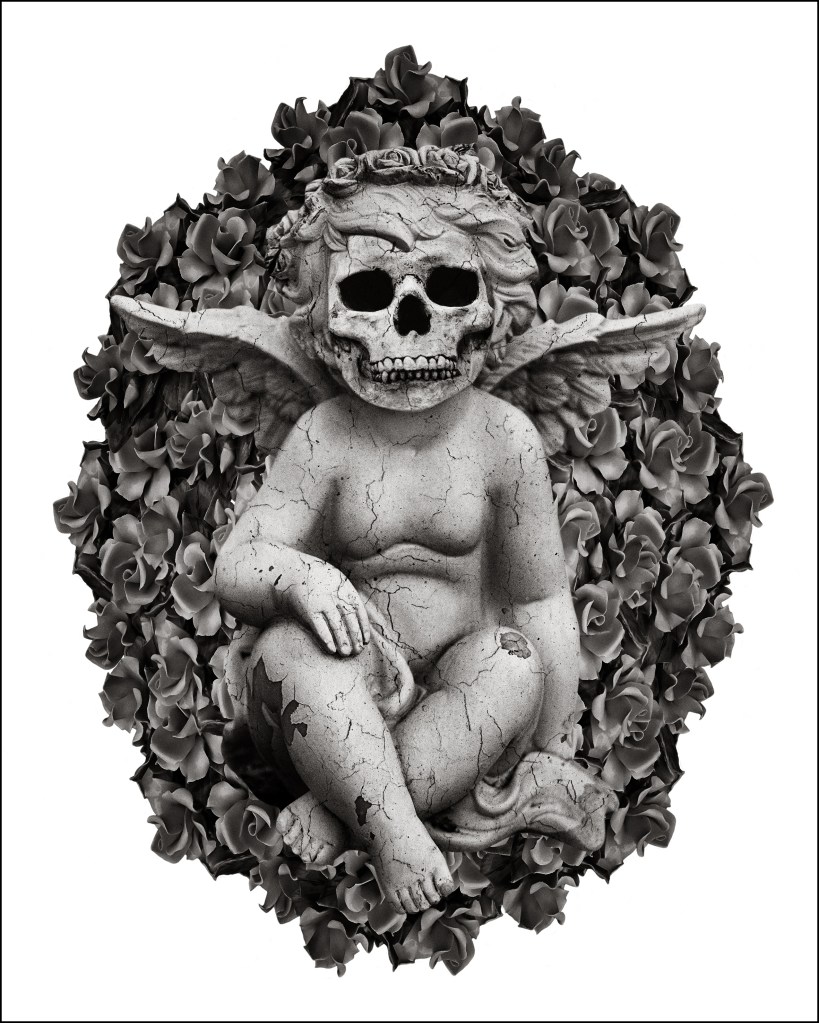
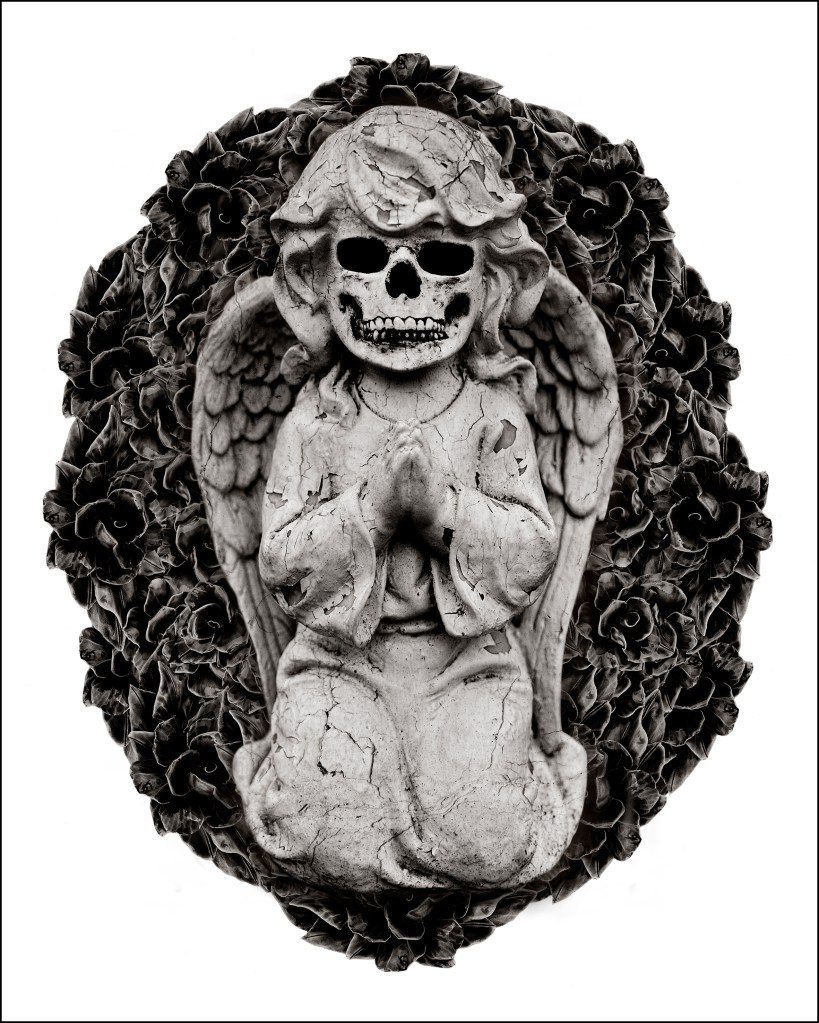
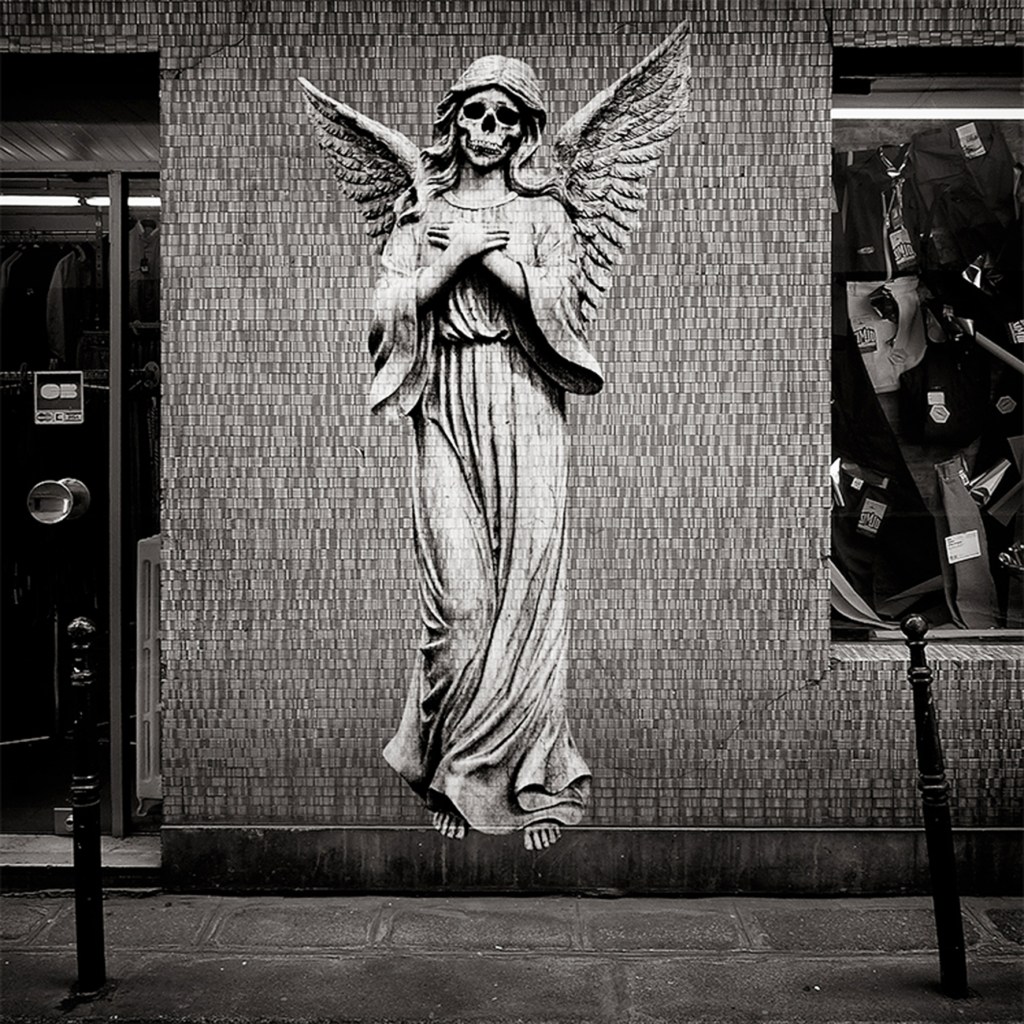
Her installations take the form of enigmatic, obsessive, and at times unsettling evocations, where the human figure appears only as skull-faced icons with piercing gazes. These figures are not macabre depictions, but presences. They watch, guard, question. Through carefully composed and immersive scenographies, Yu constructs photographic tableaux of great symbolic density, where every element—light, setting, posture—seems charged with hidden meaning.
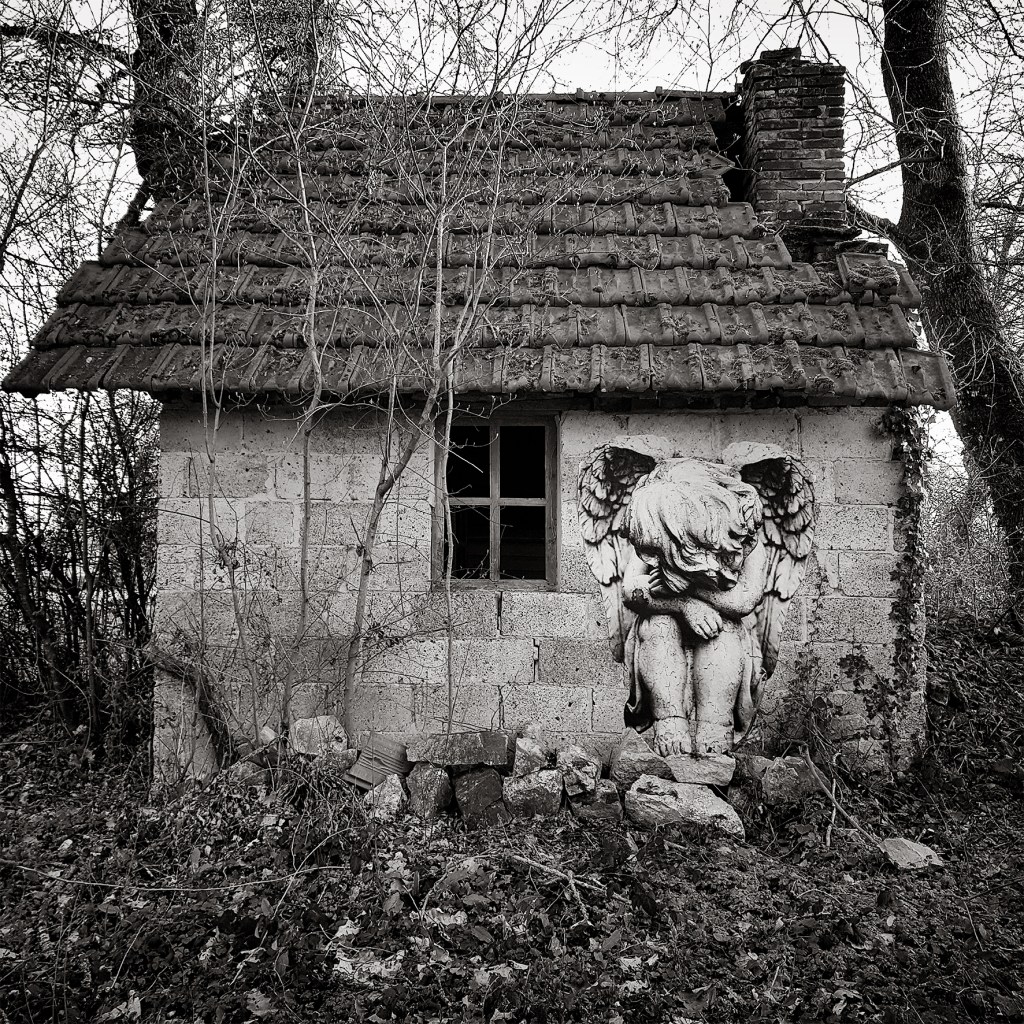
Yu’s work is rooted in charged spaces: abandoned buildings, forgotten chapels, decaying hotels, devastated interiors… She does not restore these places—she reveals them. Her stagings are composed like silent rituals, in an atmosphere that is both gothic and suspended, almost sacred. She explores abandonment as a language, a theatre of memory where the past surfaces in every crack, every wrinkle in the wall.
There is a constant tension in Yu’s work between beauty and disappearance, between the visual perfection of the image and the disintegration it contains. Her characters are contemporary icons, ghostlike figures frozen in a timeless moment, confronting the viewer with their own finitude. Yet far from being pessimistic, her approach is deeply spiritual. She invites us to slow down, to look differently, to feel the intimate strangeness of the world—and to rediscover meaning in the present.
Her photographic installations are conceived as modern sanctuaries, where abandonment becomes language, and the sacred is redrawn in dust. Through her work, Yu questions what remains of us once everything fades away. And in that silence, perhaps, something precious endures.